

Interview
How 1.5 Million Virtual Good Faith Exams Proved Remote Compliance Works
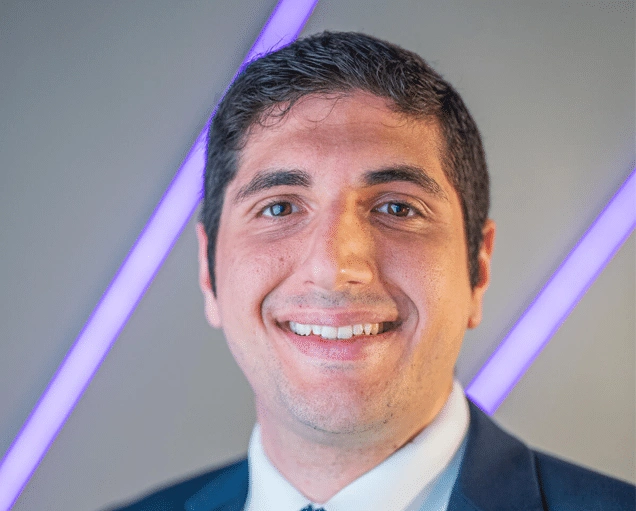
Today we are joined by Paulina Riedler, CEO of Spakinect, the gold standard in virtual, telehealth-delivered Good Faith Exams (GFEs) and patient-specific orders. With healthcare practices moving more of their work off-site, from admin support to clinical oversight, Paulina explains how one of the most legally sensitive tasks in aesthetic medicine went virtual and why that matters for the practices DocVA supports every day.

The Interview
Practices now outsource everything from scheduling to billing. The Good Faith Exam seems like the hardest thing to take off-site. Why does it work virtually?
We actually started Spakinect to solve that problem. Fourteen years ago, practices often had to choose between keeping a provider on-site for exams or turning patients away. Today, telehealth gives practices much more flexibility. It allows them to meet patient demand, support growth across multiple locations, maintain coverage when providers are unavailable, and stay compliant with applicable Good Faith Exam requirements.
Just as importantly, it frees providers to spend more time delivering treatments and caring for patients while ensuring Good Faith Exams and documentation are handled consistently.
Your providers never set foot in the practices they serve. How do you keep quality consistent across a remote team?
Systems and training, constantly. Our providers are all nurse practitioners with med spa experience, and they complete more than 40 hours of additional training through our program. Because they evaluate for more than 175 treatments, we’ve also built clinical resources they can access during exams to support safe, consistent decision-making.
Every new treatment is vetted by our clinical team and chief medical officer before it’s added to the platform, and providers are trained on it before they begin evaluating patients.
“Remote and on-site aren’t competing, they complement each other.”
Paulina Riedler, CEO of Spakinect
How do you decide where your remote providers’ job ends and your client’s team begins?
Let’s take weight loss programs as an example. We evaluate whether the patient is a good candidate at all, and then the prescribing provider who follows that patient owns the treatment and the ongoing plan. We’re not seeing that patient every month, so we shouldn’t be the ones tailoring their protocol.
We ask things of the on-site team too: if you want us to evaluate weight loss patients, you need a scale in your office. Remote and on-site aren’t competing, they complement each other.
Where do growing practices most often fall behind?
Growth creates complexity. As practices expand, processes can get bypassed, teams grow quickly, and consistency becomes harder to maintain across locations. That’s why documentation, oversight, and standardized systems are so important.
The owners who scale successfully are the ones who build for the future and ask themselves, “Will this process still work when we have ten locations instead of one?”
Looking ahead five years, what separates the practices that will still be growing?
Compliance isn’t always the most exciting part of running a practice, but it takes years to earn a professional license and only one mistake can put it at risk. The practices that scale successfully are the ones that build strong systems and know where to lean on specialists, allowing owners to focus on patient care and growth instead of constantly navigating changing regulations and administrative requirements.
About Spakinect
Spakinect provides virtual Good Faith Exams, Patient-Specific Orders, and telehealth compliance services for Med Spas and aesthetic practices across the United States.